
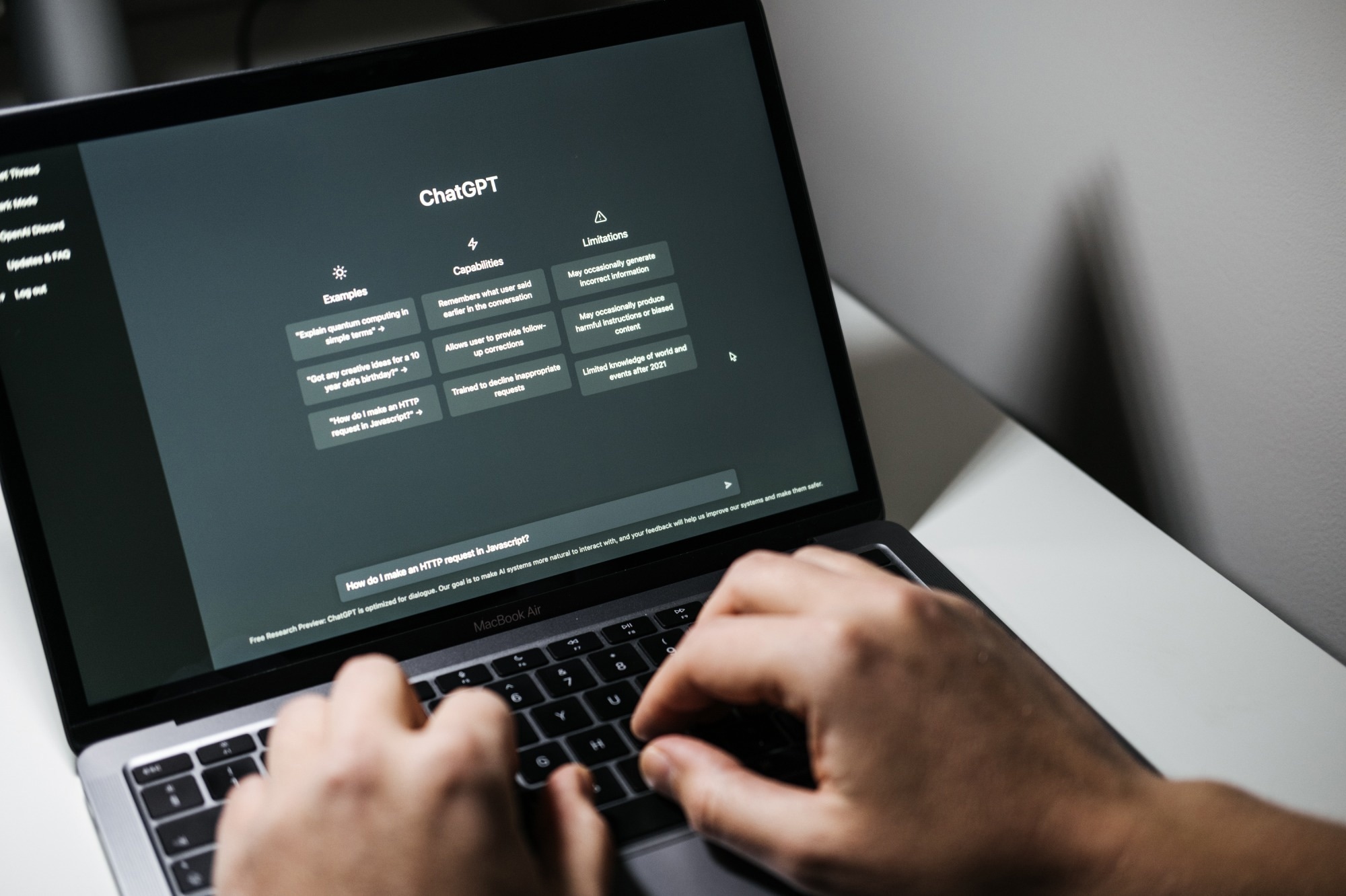
A current examine revealed in JAMA Community Open investigated the accuracy and reliability of diet data supplied by two variations of Chat Generative Pre-trained Transformer (ChatGPT) chatbots.
Their findings point out that whereas chatbots can not take the place of nutritionists, they will enhance communication between well being professionals and sufferers if they’re refined and strengthened additional.
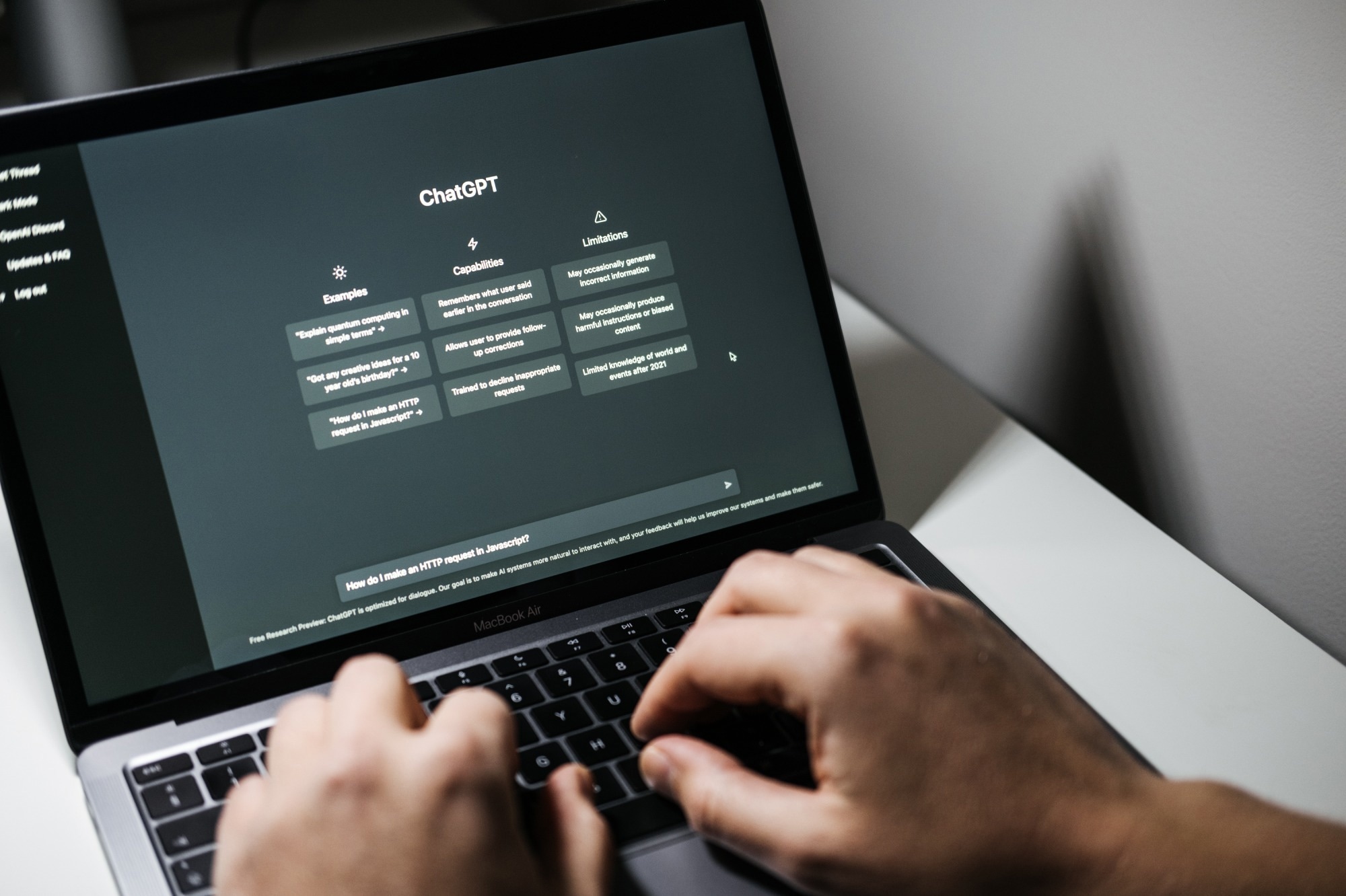 Examine: Consistency and Accuracy of Synthetic Intelligence for Offering Dietary Info. Picture Credit score: Iryna Imago/Shutterstock.com
Background
Many individuals in the present day rely on the web to entry well being, medication, meals, and diet data. Nevertheless, research have indicated that just about half of the diet data on-line is low high quality or inaccurate.
Synthetic intelligence (AI) chatbots have the potential to streamline how customers navigate the huge array of publicly obtainable scientific data by offering conversational, easy-to-understand explanations of advanced matters.
Earlier analysis has evaluated how properly chatbots can disseminate medical data, however their reliability in offering diet data stays comparatively unexplored.
Concerning the examine
On this cross-sectional examine, researchers adopted the Strengthening the Reporting of Observational Research in Epidemiology (STROBE) reporting guideline. They assessed the accuracy of the knowledge that ChatGPT-3.5 and ChatGPT-4 supplied on macronutrients (proteins, carbohydrates, and fat) and power content material of 222 meals in two languages – Conventional Chinese language and English.
They supplied a immediate that requested the chatbot to generate a desk containing the dietary profile of every meals in its raw kind. This search was carried out in September-October 2023.
Every search was carried out 5 occasions to evaluate consistency; the coefficient of variation (CV) was calculated throughout these 5 measurements for every meals.
The accuracy of the chatbot’s responses was judged by cross-referencing its reactions with the suggestions of nutritionists in accordance with the meals composition database maintained by the Meals and Drug Administration of Taiwan.
A response was thought-about correct if the chatbot’s estimate of power (in kilocalories) or macronutrients (in grams) was inside 10% to twenty% of that supplied by the nutritionists.
The researchers additionally calculated whether or not the chatbots’ responses considerably differed from the nutritionists’ suggestions and between the 2 variations of ChatGPT.
Findings
There have been no vital variations between the estimates supplied by the chatbots and nutritionists concerning the fats, carbohydrate, and power ranges of eight menus for adults. Nevertheless, the researchers discovered that protein estimations different considerably. The chatbot responses have been thought-about correct for power content material in 35-48% of the 222 included meals and had a CV decrease than 10%. ChatGPT-4, the more moderen model, carried out higher than ChatGPT-3.5 total however tended to overestimate protein ranges.
Conclusions
The examine exhibits that chatbot responses examine properly with nutritionists’ suggestions in sure respects however can overestimate protein ranges and in addition present excessive ranges of inaccuracy.
As they develop into extensively obtainable, they’ve the potential to be a handy instrument for individuals who want to search for macronutrient and power details about frequent meals and have no idea which sources to seek the advice of.
Nevertheless, the authors stress that chatbots usually are not a alternative for nutritionists; they will enhance communication between sufferers and public well being professionals by offering further sources and simplifying advanced medical language in conversational, easy-to-follow phrases.
Additionally they word that the meals they included within the search is probably not ceaselessly consumed, which has implications for the relevance of their findings.
AI chatbots can not present customers with customized dietary recommendation or exact portion sizes, nor can they generate particular dietary and nutrition-related tips. Furthermore, chatbots could also be unable to tailor their responses to the area the place the person resides.
Portion sizes and consumption models differ vastly from nation to nation, in addition to by the kind of meals and the way it’s ready. Chatbots can not think about essential cultural and geographic variations or present the related family models for every client.
Arguably, crucial limitation is that ChatGPT is a general-purpose chatbot – not one educated particularly on dietetics and diet.
The cutoff for the coaching dataset was September 2021, so more moderen analysis wouldn’t have been included. Customers should not mistake chatbots for search engines like google, as their responses are a product of their coaching datasets in addition to the wording of the prompts.
Nevertheless, contemplating the immense recognition of chatbots and different types of generative AI, future merchandise will overcome these limitations and supply more and more correct, up to date, related, and sensible data on food plan and diet.
Journal reference:
-
Chen, Y.C., Ho, D.Okay.N.H., Chiu, W., Cheah, Okay., Mayasari, N.R., Chang, J. (2023) Consistency and accuracy of synthetic intelligence for offering dietary data. Hoang, Y.N., JAMA Community Open. doi:10.1001/jamanetworkopen.2023.50367. https://jamanetwork.com/journals/jamanetworkopen/fullarticle/2813295